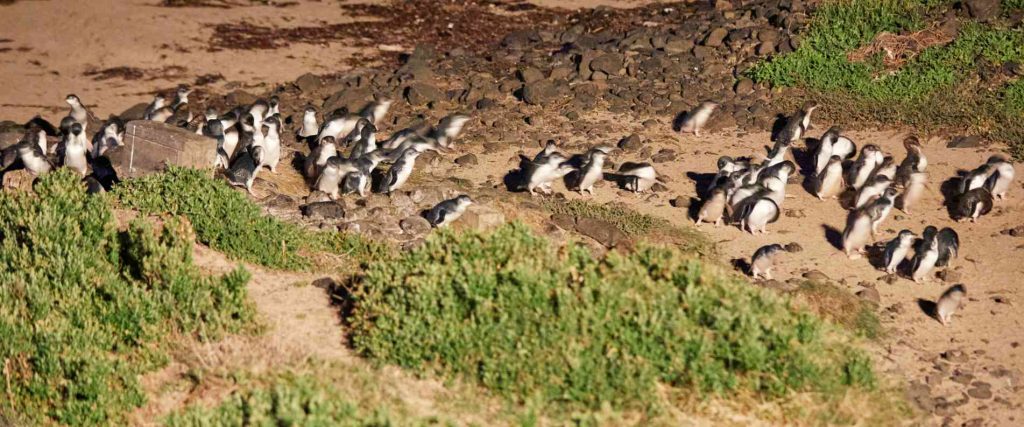



How Moonlit Sanctuary preserves native land
From Melbourne to Phillip Island, along the highway is Moonlit Sanctuary.
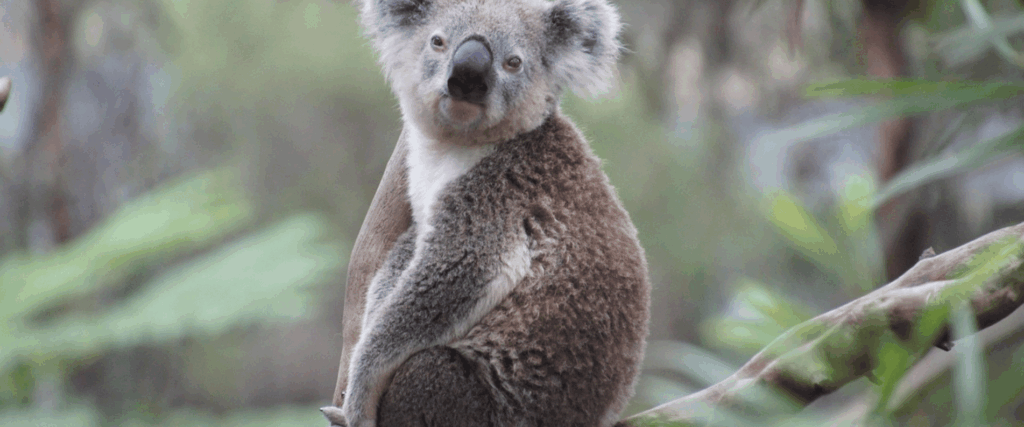
The habitation of threatened species (such as koalas) and its wildlife rehabilitation efforts are what make Moonlit so special.
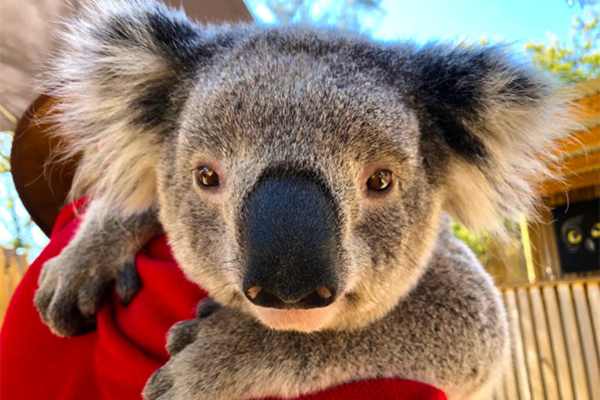
Plus, there are heaps of different species that are housed at Moonlit and are released out into the wild.
Think of the different birds – lyrebirds, orange-bellied parrots – Moonlit will try their best to breed and release these animals into the wild into their native environment.
It’s a haven for wildlife, and nature – and it’s the perfect spot to meet Australian animals in a safe and ethical environment! The land maintenance team here at Moonlit works hard to ensure the native land is preserved and healthy.
But how exactly are they achieving this high status of ecotourism?
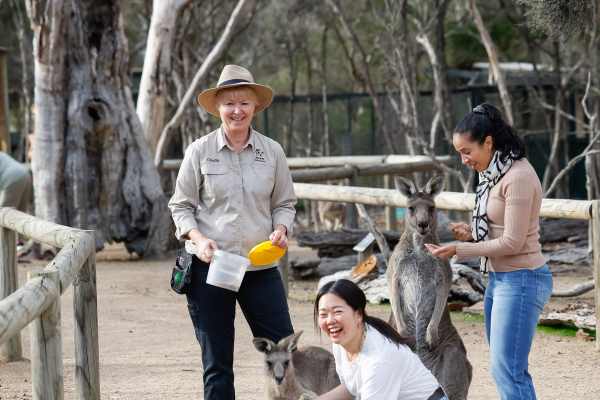
From keeper talks to wildlife shows, Moonlit Sanctuary is all about preserving native land, caring for native animals in the most non-intrusive way possible – to ensure that native Australian wildlife is protected and preserved in its own natural and native environment.
Different initiatives that Moonlit carry out to help preserve indigenous land:
- Moonlit Sanctuary is 10 hectares of woodland and melaleuca scrub (fine, pointy, needle-like leaves with a cream coloured bottlebrush flower at the end).
- 1 hectare of the property is a wetland
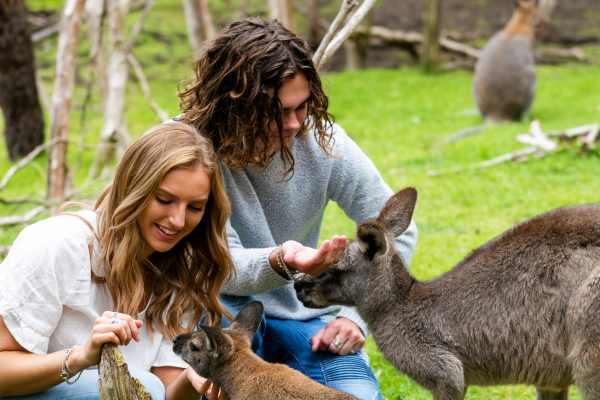
- Kangaroos and wallabies roam freely around these lands
- The orange-bellied parrot was on the brink of extinction in 2016 – there were only 17 of them left! Moonlit bred and released them back into the wild
Institution for ecotourism
The sanctuary has several accreditations for its conservation efforts! Moonlit is as being a member of the Land for Wildlife, and it’s recognised in the Australian eco-tourism community.
Caring for the land from the beginning
Before Moonlit was established, the land was used for agricultural purposes. Moonlit started with animal enthusiast Michael Johnson…his fascination and appreciation for both native Aussie animals as well as exotic/unusual ones led him to open Moonlit Sanctuary.
When the sanctuary was being built, Australian native trees and plants were planted in a non-intrusive way to any existing ecosystems. Over the years, wetlands have been preserved (which are home to native birds), and the grounds have thrived and flourished, which has allowed the native birds and wildlife to roam around freely.
Following European settlement, Australian animal behaviour and natural patterns changed. Moonlit works hard to try and retain an environment that is as true to its Indigenous roots as possible.
Visiting the Sanctuary
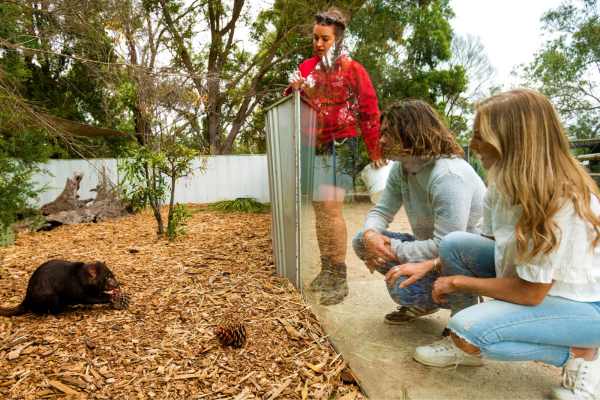
Only 90 minutes outside of Melbourne, Moonlit Sanctuary attracts hundreds of visitors every day!
The animals get lots of interaction from people, but they are not forced to! The hand feeding of kangaroos and wallabies is good for giving the animals their daily feed and to socialise them – but if they’re not in the mood, they can just hop away into the bushland.
Want to see the wholesomeness for yourself? Check out our Phillip Island tours that run every day, where we visit Moonlit Sanctuary! You’ll get to experience the magic of the sanctuary and see the animals for yourself!
Other Tips & Articles