Just a short drive from the bustling city of Melbourne, the famous island is a central hub for Australian wildlife.
TL;DR
Phillip Island, 90 minutes from Melbourne, packs more native wildlife into a small area than most of Australia. Little penguins come ashore every night at Summerland Beach. Koalas are easy to spot year-round at the Koala Conservation Reserve. Fur seals crowd Seal Rocks near the Nobbies, and whales pass through between May and October.
Most wildlife destinations in Australia require serious time or serious luck. Phillip Island is different. It sits about 90 minutes from Melbourne, and within a small area you can find penguins, koalas, seals, whales, and kangaroos, often in a single day.
None of that requires a guide or a long drive into the outback. The island’s main wildlife spots are well-managed, clearly signposted, and worth the trip. Here’s where to go and what to expect at each one.
How to See the Little Penguins
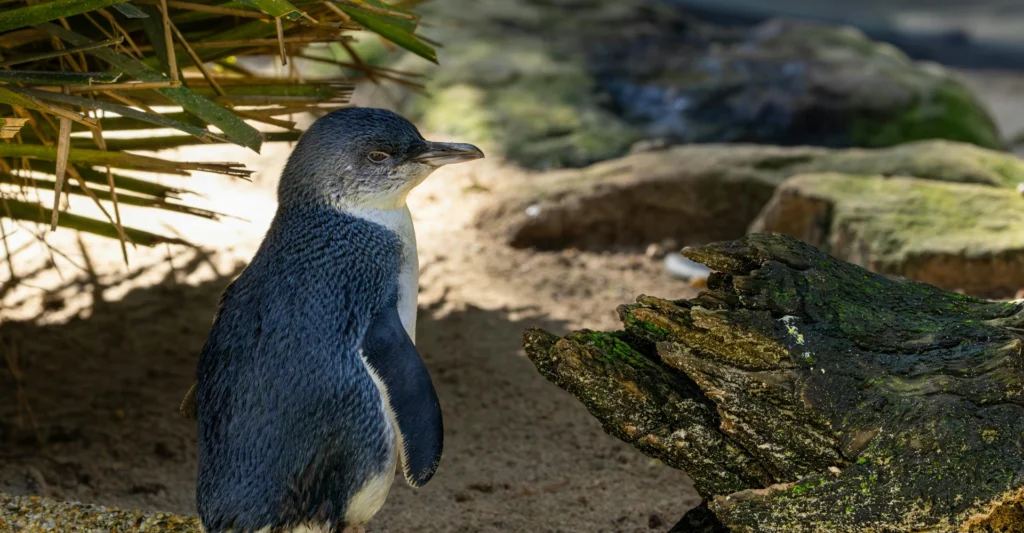
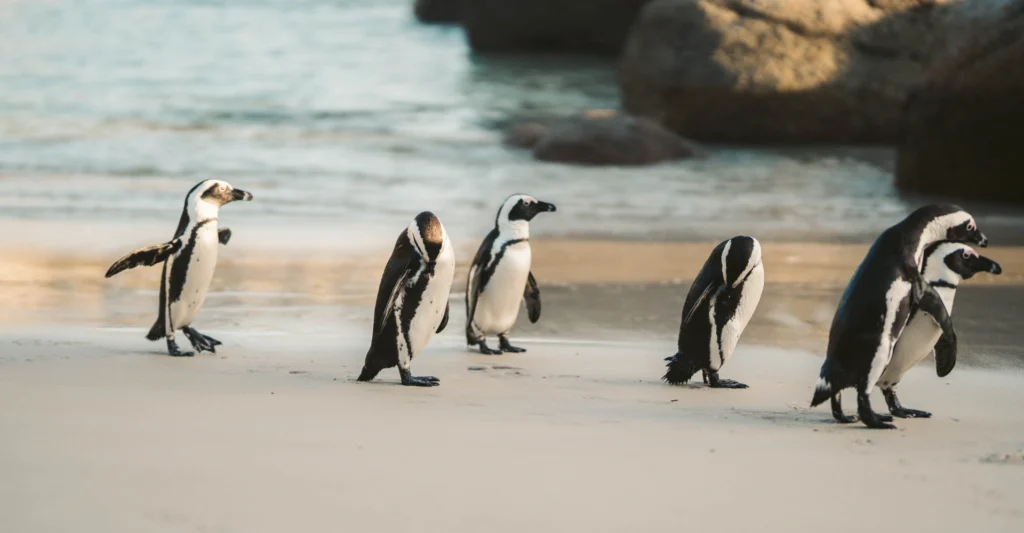
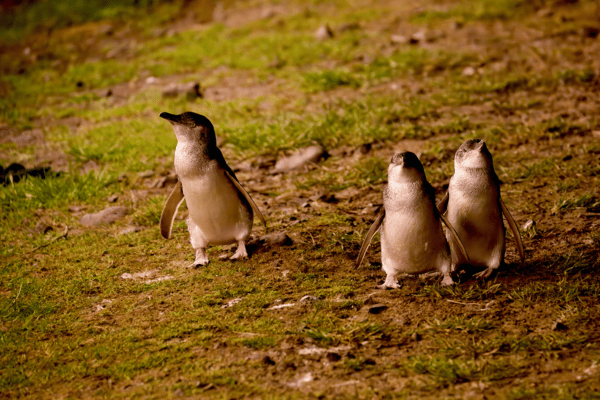
The Penguin Parade at Summerland Beach is the main attraction. Every evening after sunset, little penguins (also called blue penguins or fairy penguins) come ashore in groups, returning from a day at sea to their sand dune burrows. It happens every night, year-round.
The viewing area has multiple tiers. Standard general access is the base option. The Penguin Plus upgrade puts you closer to the penguins with a smaller crowd, and it’s worth booking if a more intimate experience matters to you.
Book tickets in advance, especially between December and February, when the parade fills up quickly. The timing shifts throughout the year since it depends on sunset, so check the Phillip Island Nature Parks website for the current nightly schedule before you visit.
How to See the Koalas
The Koala Conservation Reserve is the best spot on the island for koalas. Two treetop boardwalk loops run through the reserve, each taking around 20 minutes, and they’re designed to bring you up to eye level with koalas resting in the canopy without disturbing them.
Beyond koalas, the walks regularly turn up wallabies, echidnas, and a range of birds. The reserve also has an interactive visitor centre if you want to learn more about the island’s wildlife and conservation work.
Koalas are largely sedentary, so sightings here are reliable. Most visitors see at least a few during a walk.
How to See the Fur Seals
Seal Rocks, near the Nobbies at the western tip of the island, is home to one of Australia’s largest fur seal colonies. Estimates put the year-round population at roughly 20,000 to 25,000 animals, visible from the boardwalk at the Nobbies Centre.
For a closer look, Wildlife Coast Cruises runs two-hour boat tours from Cowes Jetty that get within metres of the seals. During breeding season (late November to January), seal pups are visible alongside their mothers on the rocks.
The shoreline viewing is free and impressive on its own. The cruise gives you a sense of the colony’s scale that’s hard to appreciate from land.
How to See the Whales
Whale watching at Phillip Island is seasonal. Humpback and southern right whales pass through between May and October, with sightings peaking in June and July. Killer whales are occasionally spotted during the same window.
For land-based viewing, the best vantage points are the Nobbies, Cape Woolamai, Surf Beach, Summerland, Grossard Point, and Pyramid Rock. Bring binoculars and look for spouts or breaching, especially in calm conditions when the sea is flat.
Boat tours are also available if you want to get closer. Check with local operators when you arrive, as weather and whale activity vary.
How to See the Kangaroos
Maru Koala and Animal Park is the main spot for kangaroos on Phillip Island. The park also has wombats, snakes, and koalas. With a small upgrade, you can hand-feed kangaroos or hold a joey for a photo. It’s a good option, particularly for families with kids who want hands-on time with the animals.
Other Wildlife to Look For
The Koala Conservation Reserve isn’t only for koalas. Wallabies are regularly seen on both boardwalk loops, and echidnas turn up occasionally on the forest floor. Birdlife is diverse across the island, making it worth keeping an eye out whether you’re at the reserve, the Nobbies, or anywhere along the coast.
Planning Your Visit
Phillip Island works as a day trip from Melbourne, but you’ll have to choose between daytime wildlife (koalas, seals) and the Penguin Parade in the evening. An overnight stay lets you do both without rushing.
Book a Phillip Island tour and make the most of everything the island has to offer.
Frequently Asked Questions
What wildlife can you see on Phillip Island?
Phillip Island is home to little penguins, koalas, Australian fur seals, kangaroos, wallabies, echidnas, and a wide range of birds. Whales pass through seasonally between May and October.
When is the best time to see whales at Phillip Island?
May to October is whale season. June and July offer the highest chance of sightings, with humpback and southern right whales the most common species.
Do you need to book Penguin Parade tickets in advance?
Yes, especially between December and February when tickets sell out. Book ahead through the Phillip Island Nature Parks website.
What time do the penguins arrive at Summerland Beach?
The penguins come ashore after sunset, so the time shifts throughout the year. Check the Phillip Island Nature Parks website before you visit for the current nightly schedule.
Can you see koalas on Phillip Island without a tour?
Yes. The Koala Conservation Reserve is independently accessible during opening hours. The boardwalks are self-guided; you don’t need to book a guided tour.
Where is the best place to spot seals on Phillip Island?
Seal Rocks near the Nobbies is where the main colony lives. View them from the boardwalk at the Nobbies Centre, or book a cruise from Cowes Jetty to get much closer.
Can you see kangaroos on Phillip Island?
Yes. Maru Koala and Animal Park is the easiest place to see and feed kangaroos on the island.
Is Phillip Island good for wildlife year-round, or is it seasonal?
Most wildlife is present year-round, including penguins, koalas, and seals. Whales are the exception; they visit between May and October.
Other Tips & Articles